Follow Me On Social Media!

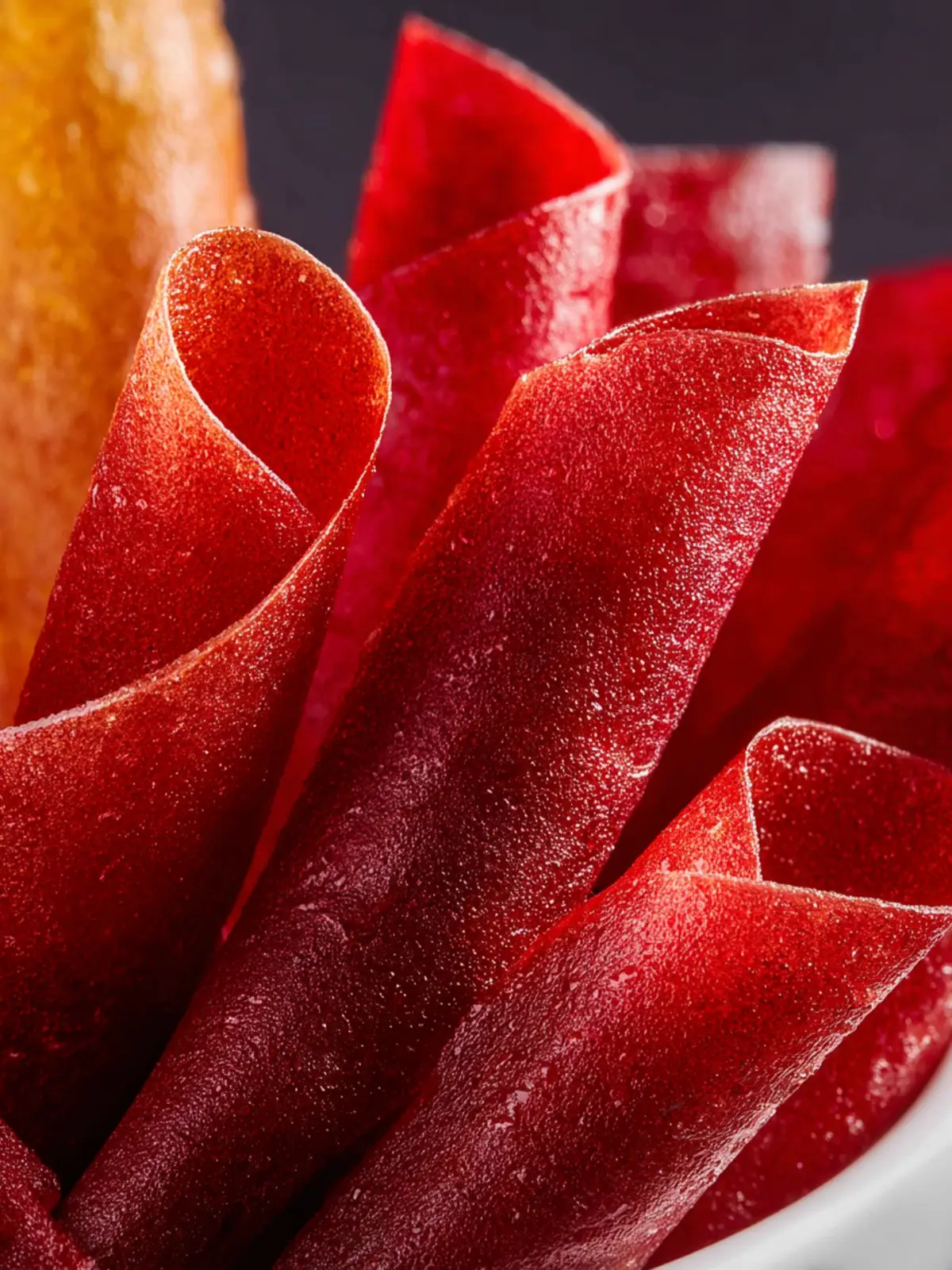
Fruit Leather Bliss: Easy, Chewy Snacks Made at Home

Introduction to Fruit Leather
Imagine a snack that takes the sweetness of your favorite ripe fruits and transforms them into a chewy, portable delight known as fruit leather. This tasty treat is not only a childhood favorite but also a guilt-free indulgence for adults. Picture a sunny afternoon, and you’re enjoying a burst of flavor with each bite, all while knowing you’ve made a healthy choice. That’s the magic of fruit leather.
Many of us have fond memories of visiting roadside stands where homemade fruit leather was sold, often hanging in long strips, tempting us with its vibrant colors and sweet aroma. Creating your own fruit leather at home allows you to capture that nostalgia while getting creative in the kitchen. Plus, you have complete control over the ingredients, tailoring it to your taste preferences and dietary needs. Imagine having a healthy snack on hand that’s made from organic fruits, free of preservatives and added sugars—sounds enticing, right?
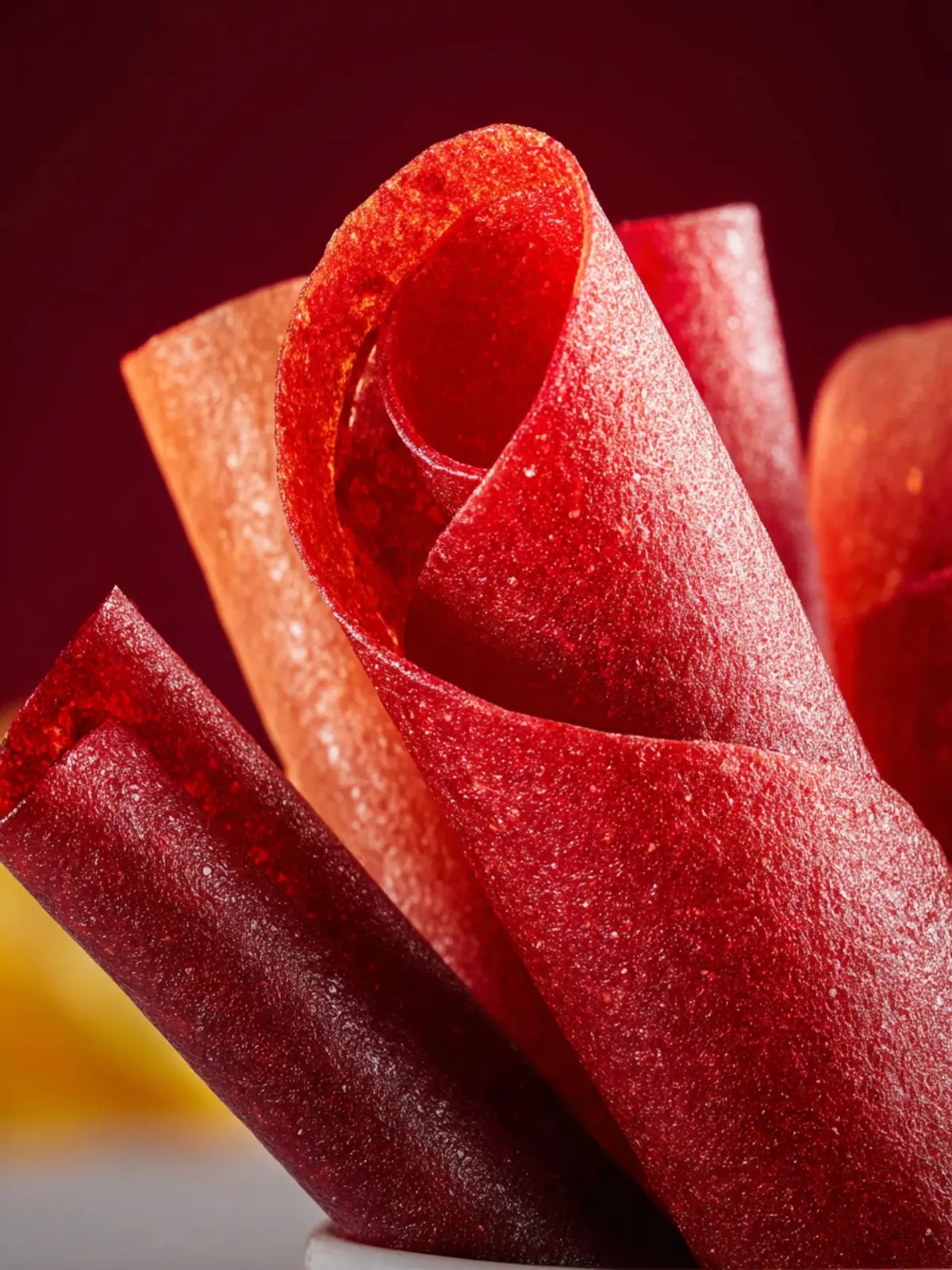
Making fruit leather is not only straightforward but also incredibly satisfying. The process involves puréeing your favorite fruits, spreading them out on a dehydration tray or a baking sheet, and letting the heat work its magic until you’re left with flavorful, chewy strips. You can experiment with various fruit combinations like strawberries paired with bananas or apples with a hint of cinnamon.
In a world where convenience often leads us to processed snacks, creating homemade fruit leather encourages mindfulness about what we eat. It’s an opportunity to include more fruits in our diets, making them enjoyable as well. So why not take a moment to discover how to make this delightful treat? With just a few simple fruits and tools, you’ll have a wholesome snack ready to fuel your day. Let’s dive into the ingredients and get started on your journey to homemade fruit leather!
A Delicious Twist on Your Favorite Snacks
When contemplating ways to elevate your snacking experience, fruit leather offers a delicious twist that’s both innovative and nostalgic. By turning fresh fruits into a delightful chewy snack, you’re not just satisfying your hunger but also making smart choices for your health. Whether you’re a busy professional in need of a quick bite or a parent looking for nutritious options for your kids, fruit leather can fit seamlessly into your lifestyle. It’s the perfect blend of fun and nutrition, ready to accompany you on any adventure!
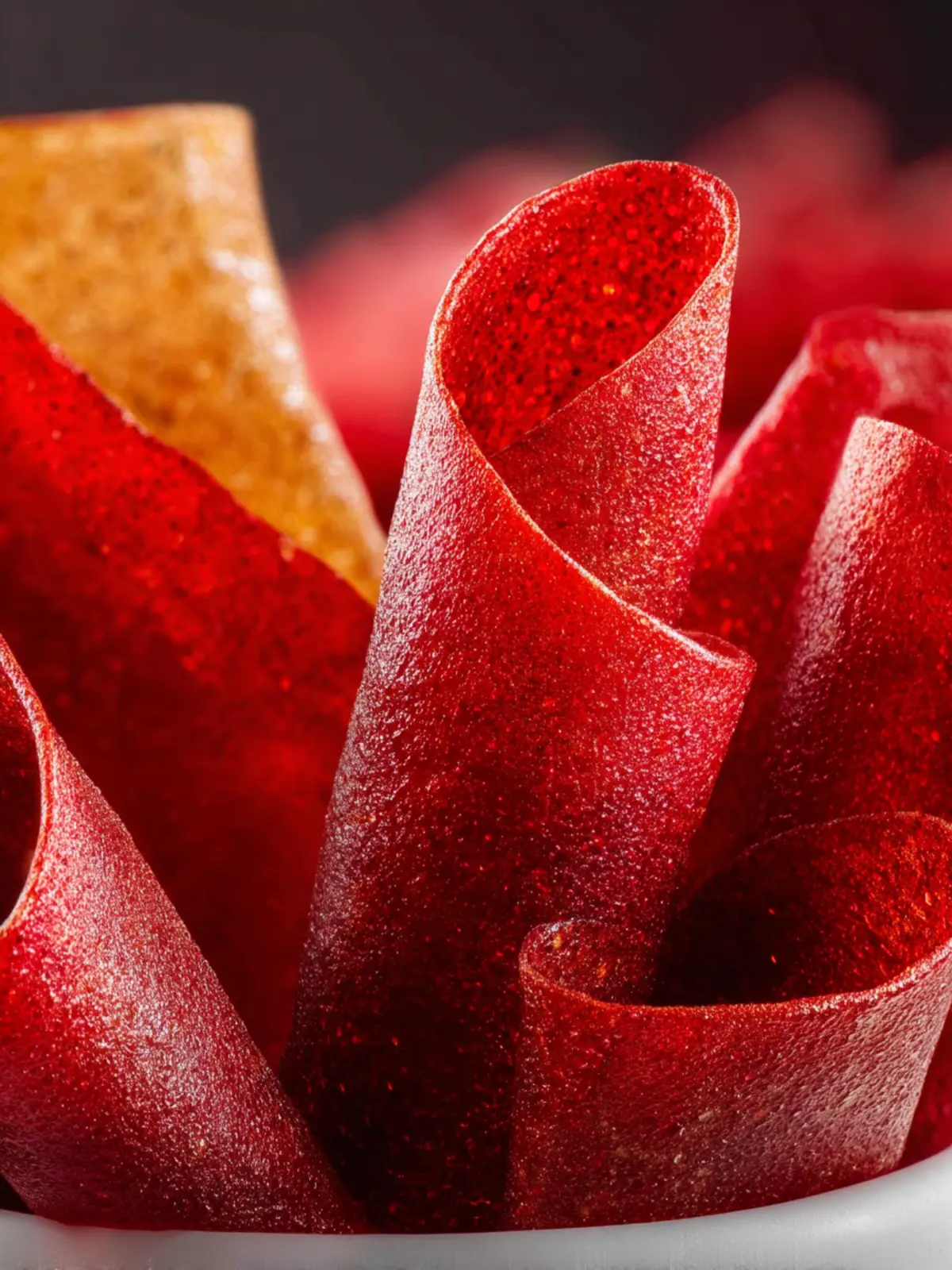
Key Ingredients for Fruit Leather
Creating fruit leather is not only a fun project but also a way to enjoy the pure flavors of fruit. As I reminisce about the afternoons spent with my family, turning ripe fruits into chewy snacks, I can’t help but smile. Let’s dive into the essential ingredients that make this delightful treat shine.
-
Fruits: Fresh, ripe fruits are the star of the show. I generally prefer a mix of sweet fruits like strawberries or mangoes and a bit of tartness from apples or raspberries. Overripe fruits work wonders too, making them a great use for what might otherwise go to waste.
-
Sweetener: Depending on the natural sweetness of your fruit, you might want to add a touch of honey, agave syrup, or sugar. Just a spoonful can enhance the flavors without overpowering them.
-
Lemon Juice: A squeeze of lemon juice is vital as it brightens the flavors and helps preserve that gorgeous color of your fruit leather. Plus, the acidity can balance the sweetness beautifully.
-
Optional Flavorings: If you’re feeling adventurous, consider spices like cinnamon or vanilla extract to give your fruit leather an added depth of flavor. A little goes a long way!
Using these simple yet effective ingredients, you can craft your own delicious fruit leather, perfect for snacking or sharing!
Why You’ll Love This Fruit Leather
Imagine a snack that captures the vibrant essence of summer fruit, allowing you to enjoy it year-round—this is the magic of fruit leather. Not only does it provide a chewy, satisfying texture, but it’s also a canvas for your creativity, allowing you to experiment with flavors that cater to your taste buds.
-
Healthy Indulgence: One of the top reasons you’ll adore this fruit leather is its healthfulness. Made from real fruit, it’s naturally sweet and packed with vitamins. Unlike store-bought versions laden with preservatives, you’re in control of the ingredients—perfect for health-conscious eaters.
-
Endless Flavor Combinations: With this simple recipe, the sky’s the limit. Whether you prefer the sweetness of strawberries, the tartness of apples, or the tropical essence of mango, you can tailor your fruit leather to match your cravings. Each batch brings a unique blend of flavors and colors to your pantry.
-
Versatile Snack: Great for busy professionals, this is more than just a treat for kids. Toss a piece into your gym bag, enjoy it on a hike, or savor a slice while working from home. The convenience of fruit leather makes it an ideal snack for any time of day.
Embark on a fruity adventure, and discover why this delightful fruit leather will quickly become a staple in your household!
Variations of Fruit Leather
Creating fruit leather is a delightful journey where flavors blend and transform into a chewy snack that tantalizes the taste buds. A taste of nostalgia, it brings back memories of summertime, when the fruit was abundant and the sun was shining bright. By experimenting with different ingredients, you can unlock countless variations that cater to your personal cravings.
Fun Flavor Combinations
Why stick to just one flavor when the possibilities are endless? Here are a few creative combinations to try:
- Berry Medley: Combine strawberries, blueberries, and raspberries for a sweet and slightly tart snack that’s bursting with antioxidants.
- Tropical Twist: Blend mango, pineapple, and a hint of lime to transport your taste buds to a sunny beach.
- Apple Cinnamon: Use apples and a dash of cinnamon for a classic fall flavor that pairs perfectly with cozy evenings.
- Peach Basil: The sweetness of ripe peaches mingles beautifully with fresh basil, creating a surprisingly refreshing treat.
Each combination offers a unique taste experience, making fruit leather something you’ll want to experiment with time and time again.
Experimenting with Different Fruits
Daring to venture beyond your go-to fruits can lead to some unexpected but delicious results. Try:
- Exotic Fruits: Consider using papaya or guava for a unique twist. These fruits have distinct flavors that can change the entire profile of your fruit leather.
- Vegetable Blends: Adding a little pureed spinach or carrots can enhance the nutritional value without compromising on flavor. You’d be surprised how well they blend in!
- Dried Fruits: Mixing in dried fruits like dates or apricots can add natural sweetness and depth of flavor.
Don’t be afraid to mix and match different fruits along with seasonings. Each creation is a delightful adventure waiting to happen!
Cooking Tips and Notes
Making your own fruit leather at home can be a delightful project, but there are a few tips and tricks to ensure you get the best results.
Don’t Rush the Drying Process
Taking your time is essential for the perfect fruit leather. While it may be tempting to crank up the heat to speed up the drying, slower drying at a lower temperature preserves flavor and color. You want to aim for a temperature around 140°F (60°C) if using a dehydrator. Patience is key; it usually takes about 6-8 hours for a smooth, pliable result. Check on it periodically to ensure it doesn’t dry out too much.
Ensuring the Perfect Texture
The texture of your fruit leather can make or break the experience. If it feels too sticky, it likely needs more drying time. Conversely, if it’s too brittle, it was over-dried. To find that sweet spot, peel off a small test piece. It should be slightly tacky to the touch but not sticking to your fingers. You can also experiment with blending different fruits to create unique flavor profiles while maintaining the right consistency.
Following these tips will help you achieve delicious fruit leather that rivals anything store-bought!
Serving Suggestions for Fruit Leather
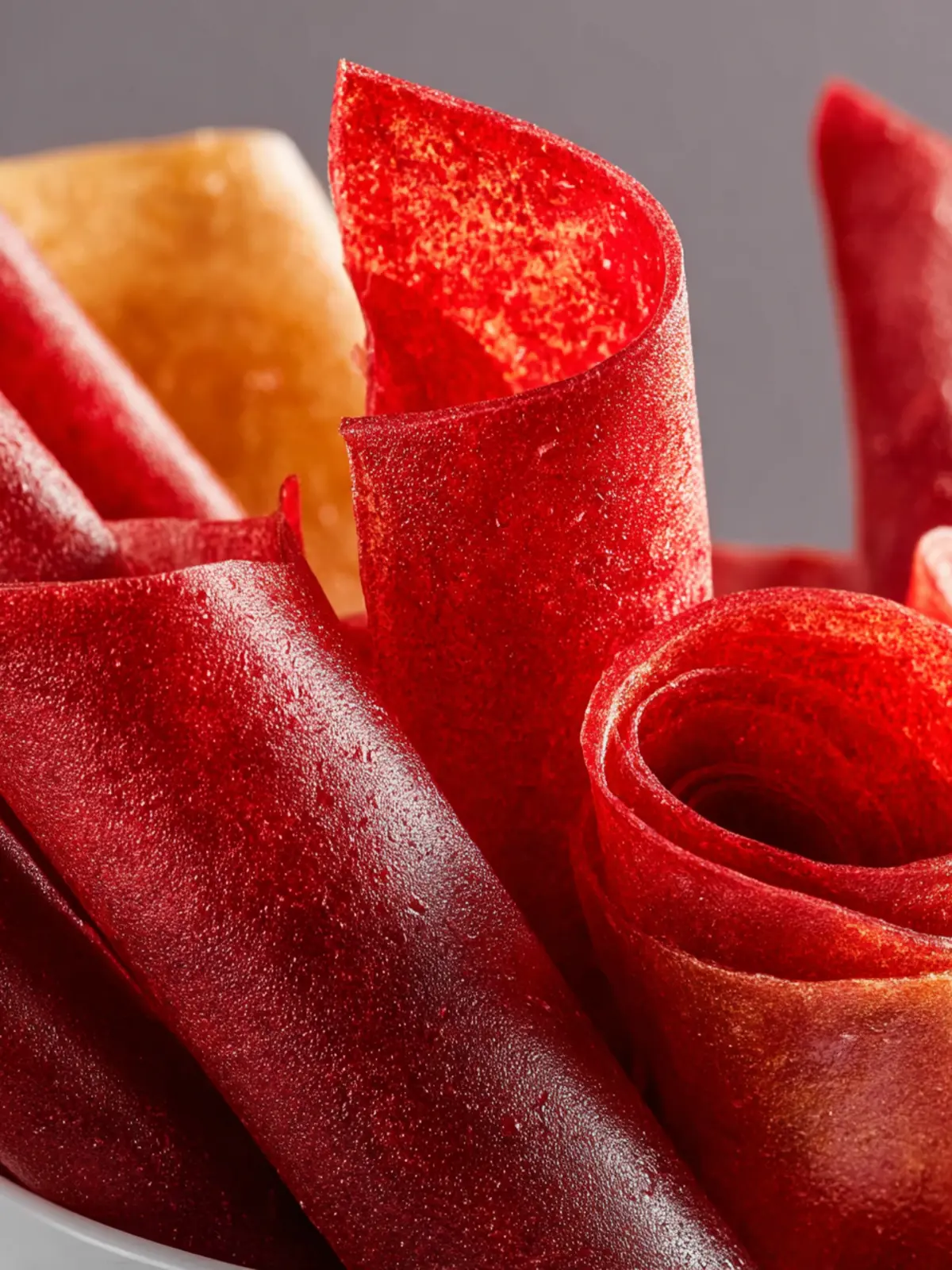
Delicious fruit leather is not only a treat for the taste buds but also an incredibly versatile snack option. Once you’ve made your own, you’ll find that the possibilities for enjoying it are nearly endless.
Perfect for On-the-Go Snacking
When life gets busy, snacking smart is key. I love packing strips of fruit leather in my bag for a quick and nutritious boost. They’re lightweight, mess-free, and satisfy my sweet cravings without resorting to candy. If you’re hitting the gym or heading to a meeting, these fruity delights can easily become your go-to energy source.
Creative Breakfast Ideas
Why not think outside the box for breakfast? Incorporate fruit leather into your morning routine by chopping it into pieces and adding it to your yogurt parfait. It transforms plain yogurt into a colorful and flavorful dish! Alternatively, you can layer it into oatmeal or use it as a quirky topping for pancakes, delivering fruitiness with every bite. Are you ready to elevate your breakfast game?
Time Breakdown for Making Fruit Leather
Creating your own fruit leather is a delightful journey that rewards you with a tasty, healthy snack. Knowing the time investment helps you plan your day better.
Preparation time
The first step is the most exciting, taking about 15-20 minutes to get your ingredients ready. Choose your favorite fruits, wash, peel, and chop them into manageable pieces. This part is where you can really let your creativity shine!
Baking time
Patience is key during the baking phase, which usually takes around 4-8 hours. Your fruit leather will need a low-temperature bake to dry out evenly. Keep an eye on it, and you’ll be rewarded with that wonderful, fruity aroma wafting through your kitchen!
Total time
In total, you’re looking at about 4-8 hours and 15-20 minutes to make your fruit leather. The waiting is the hardest part, but remember, every minute brings you closer to that chewy, fruity goodness!
Nutritional Facts for Fruit Leather
Creating your own fruit leather not only satisfies your sweet tooth but also lets you dive into its nutritional benefits. Let’s break down what makes this delightful snack a wholesome choice.
Calories
A typical serving of homemade fruit leather contains around 70-80 calories. This makes it a great alternative to traditional candies, allowing you to indulge without the guilt.
Carbohydrates
You can expect about 18-20 grams of carbohydrates per serving. Mostly derived from the natural sugars in the fruit, this energy boost is perfect for that mid-afternoon slump.
Sugar Content
While fruit leather does contain sugar, it’s mainly the natural variety from the fruits you choose. Generally, there’s about 10-12 grams of sugar per serving, giving you a touch of sweetness without added preservatives or artificial ingredients.
Opting for homemade fruit leather not only supports healthier eating but also tantalizes your taste buds!
FAQs about Fruit Leather
Making your own fruit leather can open a world of delicious possibilities, but I understand that you might have some questions before making your first batch. Let’s dive into the common inquiries surrounding this tasty treat!
Can I use fresh fruit instead of frozen?
Absolutely! While frozen fruit is convenient and often more affordable, using fresh fruit can yield an even more vibrant and flavorful fruit leather. When choosing fresh fruit, look for ripe options. For example, strawberries, peaches, or mangoes can create sweet, tangy flavors. Just remember to wash and chop them into smaller pieces before blending, as this will help create a smoother puree.
How do I store fruit leather?
Storing your fruit leather properly ensures it stays fresh for longer. Once it’s completely dried, let it cool and then cut it into strips. Lay them flat in an airtight container or wrap them snugly in parchment paper for easy snacking. If you want to go the extra mile, you can vacuum seal them to extend their shelf life!
How long does fruit leather last?
When stored correctly, fruit leather can last anywhere from 6 months to a year. Just make sure to keep it in a cool, dark place. If you notice any changes in texture or smell, it’s better to err on the side of caution and toss it out. After all, fresh is always best when it comes to homemade treats!
Conclusion on Fruit Leather
Creating your own fruit leather is not only a fun and tasty project but also an excellent way to utilize your favorite fruits and reduce food waste. Imagine slicing into a chewy, flavorful strip made from sun-ripened strawberries or peaches, each bite bringing you closer to nature.
With just a few simple ingredients and minimal effort, you can craft a nutritious snack perfect for on-the-go moments. Whether enjoyed by kids or adults, homemade fruit leather serves as an ideal alternative to processed snacks. So, grab your favorite fruits, follow our recipe, and embark on a delightful journey towards crafting your very own fruit leather!
Print
Fruit Roll-Ups
- Total Time: 2 hours 15 minutes
- Yield: 10 servings 1x
- Diet: Vegetarian
Description
Delicious homemade fruit roll-ups made from frozen strawberries or mango.
Ingredients
Scale
- 3 cups frozen strawberries or frozen mango (thawed, See notes)
- 1 teaspoon lime juice (or lemon juice)
- 1 tablespoon honey (optional)
Instructions
- Preheat the oven to 175F/80C.
- Blend the thawed strawberries in a food processor until smooth.
- Spread the mixtures onto individual lined baking sheets, then spread them out with a rubber spatula until completely flat and paper-thin.
- Bake the fruit roll-ups for 2 hours, or until they are dry enough to touch. The surface should look matte (not shiny or wet), and the color becomes darker and more even. It should feel dry and smooth, and when pressed, your finger shouldn’t leave a dent or wet spot. You should be able to peel it off the parchment paper easily, and it should be flexible and bendable. If not, continue baking.
- Remove the fruit leather from the oven. Let it cool completely then use a pizza cutter to cut long strips, then roll them up.
Notes
- If you use frozen mango, the flavor may be slightly different than strawberries.
- Prep Time: 15 minutes
- Cook Time: 2 hours
- Category: Snacks
- Method: Baking
- Cuisine: American
Nutrition
- Serving Size: 1 roll-up
- Calories: 50
- Sugar: 10g
- Sodium: 1mg
- Fat: 0g
- Saturated Fat: 0g
- Unsaturated Fat: 0g
- Trans Fat: 0g
- Carbohydrates: 13g
- Fiber: 1g
- Protein: 0g
- Cholesterol: 0mg