
Follow Me On Social Media!

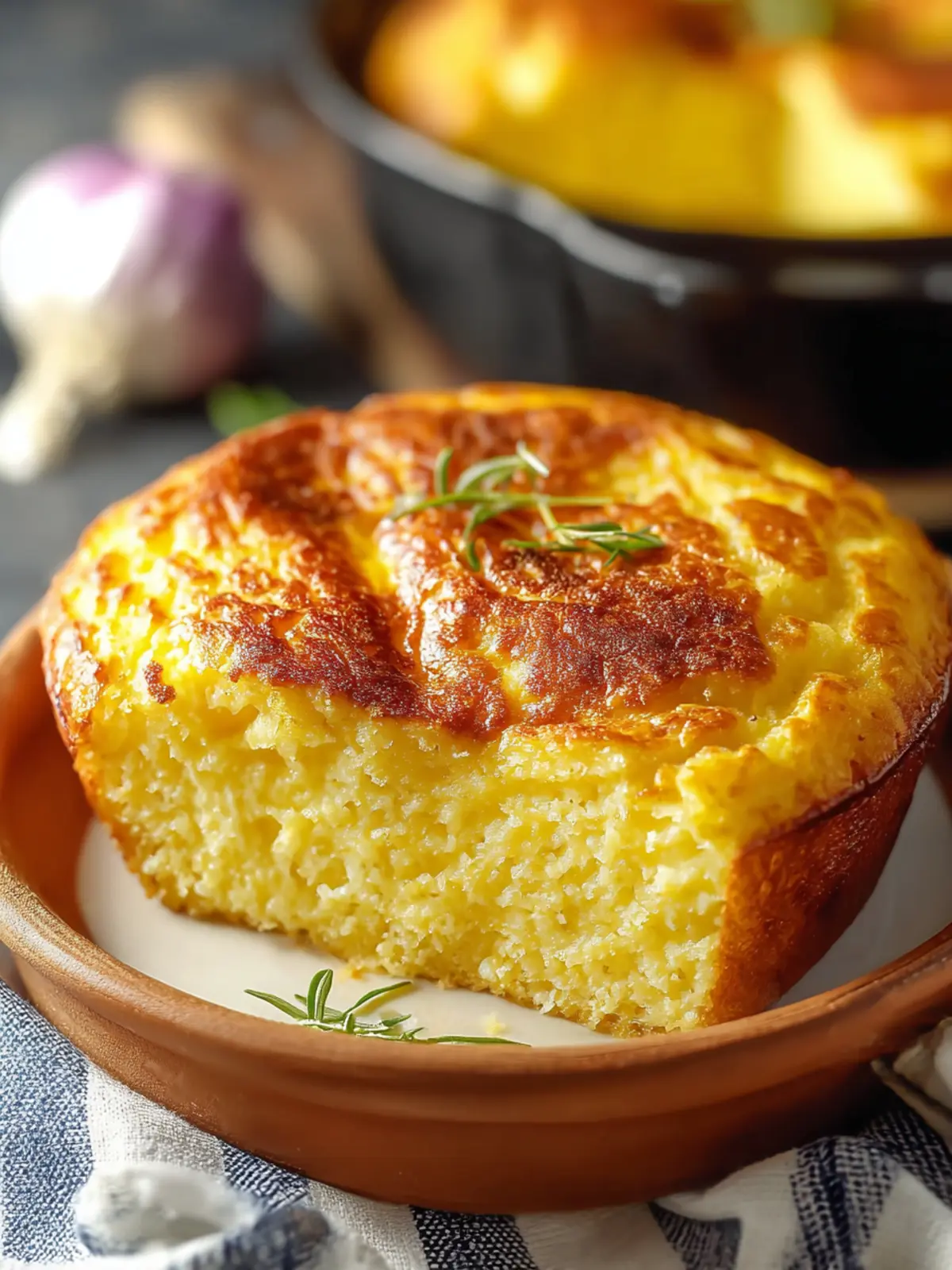
Colonial Spoon Bread: A Comforting Taste of Tradition

Introduction to Colonial Spoon Bread
Imagine a bustling kitchen in a colonial home, where the aroma of Colonial Spoon Bread fills the air, inviting family and friends to gather around the table. This dish, with its rich history and comforting texture, is more than just food; it represents a connection to our past and the simple joys of communal dining.
Colonial Spoon Bread is a traditional Southern dish that dates back to the 18th century. It’s made primarily from cornmeal, milk, and eggs, creating a delightful custard-like consistency that’s both filling and comforting. What sets this dish apart is its unique preparation. Unlike regular bread, spoon bread is baked until it’s fluffy and soft, making it perfect for scooping with a spoon—a delightful way to bring a sense of fun to every meal.
What is Colonial Spoon Bread and why is it a cherished dish?
The origins of Colonial Spoon Bread trace back to Native American cuisine, where corn was a staple ingredient long before European settlers arrived. As cultures blended, this dish evolved into what we know today. In many households, it became a staple food, often served alongside savory meats and vegetables. It was inexpensive, easy to prepare, and could feed a crowd—qualities that made it a beloved favorite.
Today, Colonial Spoon Bread is cherished not just for its flavor but also for its ability to evoke nostalgia. Families pass down recipes through generations, each adding their personal touches. From texture to toppings, variations abound—some might enjoy it sweetened with honey or served with a dollop of butter, while others prefer it savory with cheese or herbs mixed in.
Whether it’s served at a holiday feast or on a lazy Sunday, Colonial Spoon Bread builds connections, encourages sharing, and celebrates the spirit of home-cooked meals. As you embark on your journey to recreate this historic dish, remember that it is more than a recipe—it’s a way to cherish the past while savoring every delicious bite.
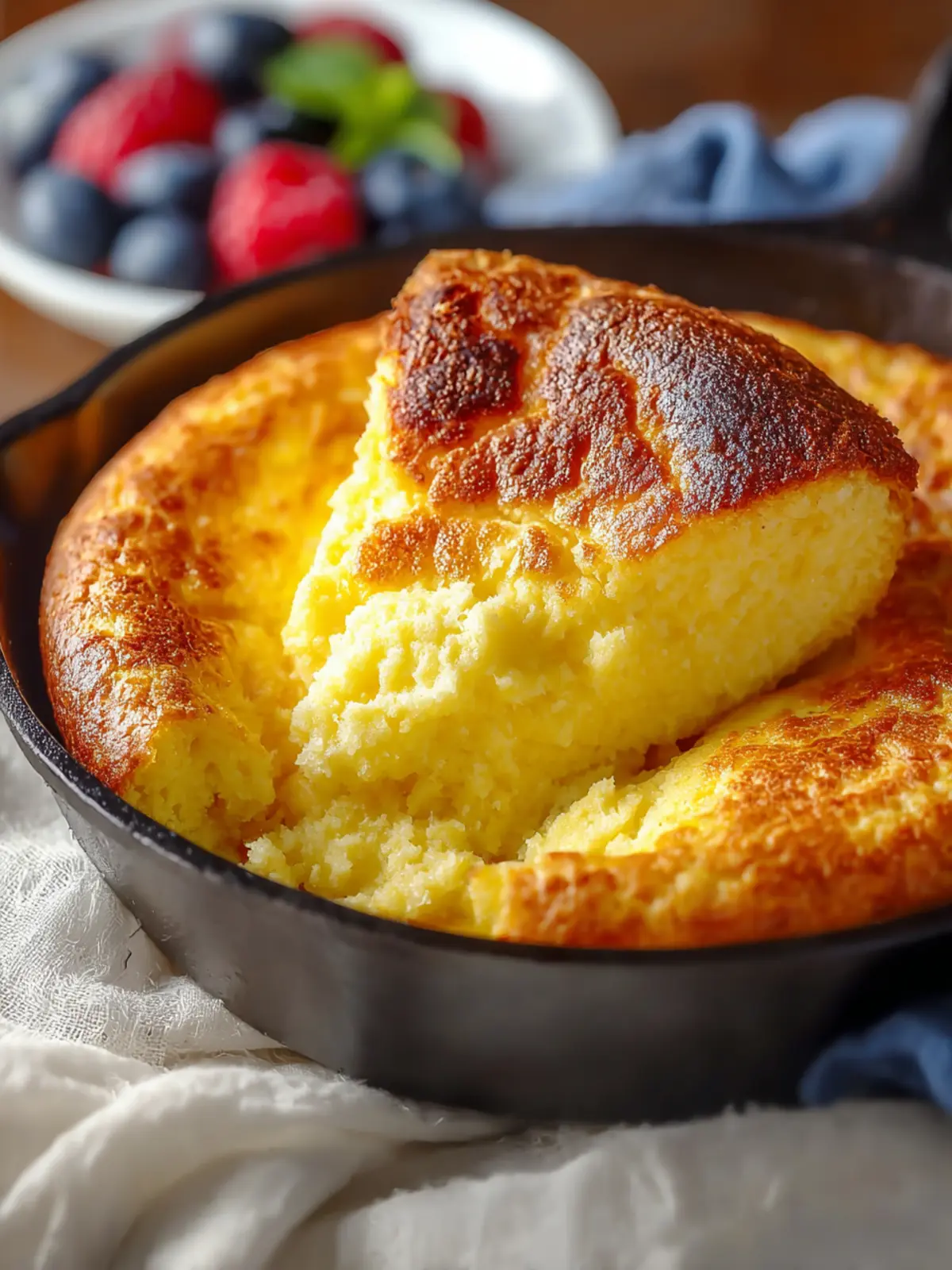
Key Ingredients for Colonial Spoon Bread
Cornmeal: At the heart of Colonial Spoon Bread is cornmeal, which brings a uniquely sweet flavor and comforting texture. For the best results, I recommend using finely ground cornmeal; it creates a luscious consistency that elevates this dish to another level.
Milk: Whole milk is my go-to for this recipe, adding a delightful creaminess that enriches the batter. The result? A wonderfully fluffy spoon bread! If you want to explore alternatives, almond or oat milk can work beautifully too, making the recipe versatile for various diets.
Butter: Real butter is essential for enhancing the overall flavor and creating a tender crumb. I find that melting the butter with milk before combining them with other ingredients leads to a wonderfully smooth mixture that integrates seamlessly.
Eggs: Essential for binding all ingredients together, eggs also play a crucial role in helping your spoon bread rise. This will give you that glorious puff as it bakes, transforming the mixture into something truly special.
Baking Powder: This leavening agent is vital, as it contributes to making the spoon bread light and airy. With the right amount, you can achieve that delightful fluffy texture we all love.
Sugar: While it’s optional, a hint of sugar can enhance the sweetness in your dish. Feel free to adjust the amount based on your preference, ensuring your Colonial Spoon Bread is just the way you like it.
Shredded Cheese: Sometimes, I like to add shredded cheese for a savory twist. It melts beautifully during baking, resulting in a deliciously gooey texture that contrasts wonderfully with the sweet notes.
This simple yet rich array of ingredients is what makes Colonial Spoon Bread a timeless favorite, perfect for any gathering or cozy meal at home.
Why You’ll Love This Colonial Spoon Bread
If you’ve never tried Colonial Spoon Bread, let me tell you — this dish is like a warm embrace on a chilly evening. Originating from the time of early American settlers, spoon bread not only serves as a comforting side but also tells a story of culinary history and tradition. Its unique texture, reminiscent of a soufflé but simpler and more rustic, is bound to capture your heart (and taste buds) at first bite.
Comforting and Versatile
What I love most about Colonial Spoon Bread is its versatility. Whether you’re serving it alongside a hearty stew or as the centerpiece of a family gathering, it complements a variety of meals with its light, fluffy texture. Top it with some honey or a pat of butter, and you’re in for a treat.
Simple Ingredients, Big Flavor
Made with just a handful of ingredients — like cornmeal, milk, and eggs — this dish embodies the beauty of simplicity. Each element blends seamlessly, creating a gentle sweetness and a rich, creamy bite that’s both nostalgic and refreshing.
A Tradition Worth Sharing
Every spoonful of Colonial Spoon Bread carries a piece of history. As you dish it out, you’re not just feeding your loved ones; you’re passing on a tradition. Imagine the conversations sparked around the table, as stories are shared over this delightful comfort food.
In short, Colonial Spoon Bread isn’t just a recipe; it’s an experience that brings people together and warms the soul.
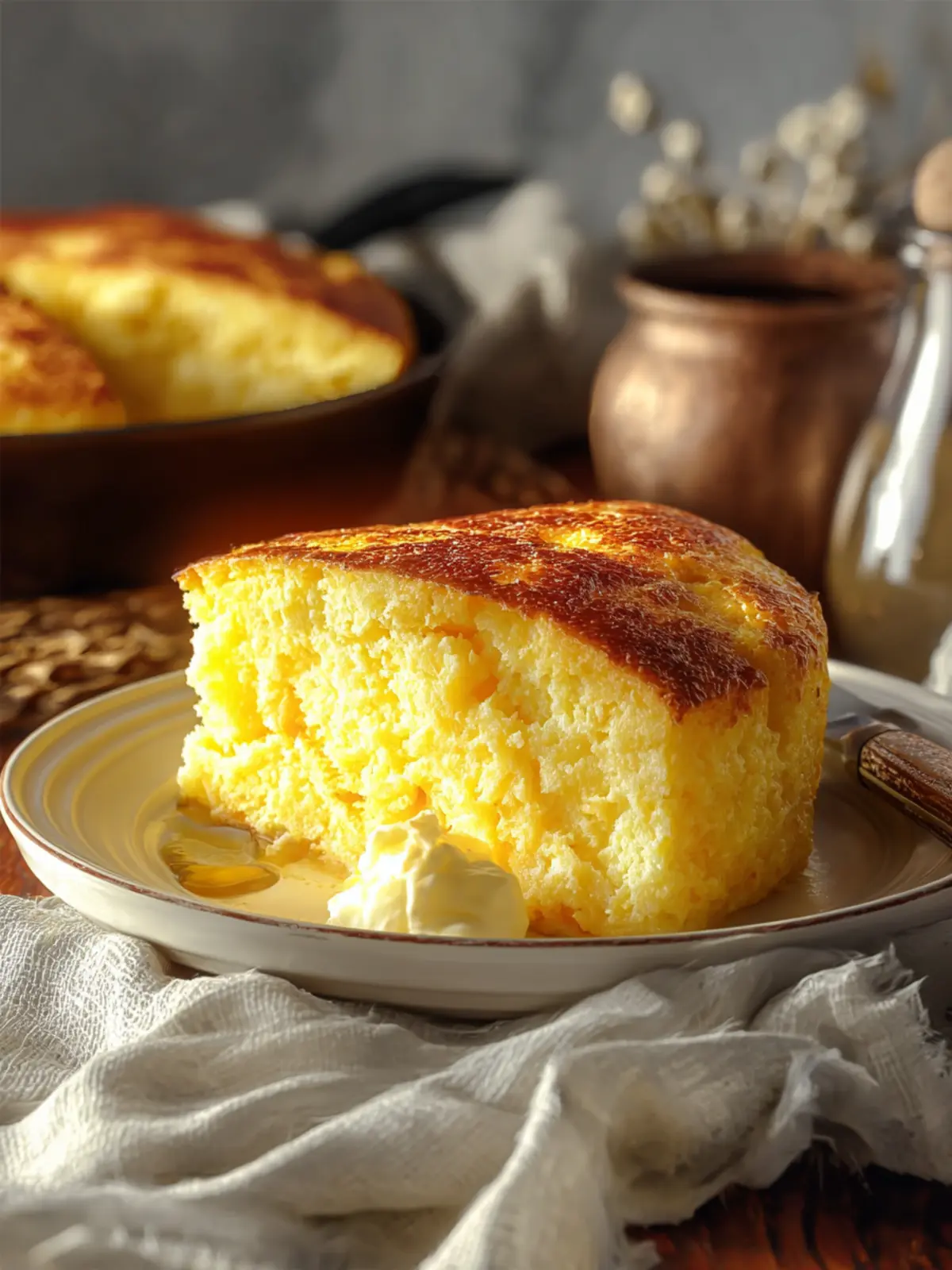
Variations on Colonial Spoon Bread
Exploring different takes on Colonial Spoon Bread can be as delightful as enjoying the dish itself. This beloved comfort food has a rich history, and its versatility allows for countless variations that can bring a unique twist to your dining table.
Sweet Variations
One popular adaptation is the addition of sweet ingredients.
-
Honey or Maple Syrup: Stirring in a bit of honey or maple syrup can enhance the bread’s natural sweetness. This combination pairs well with fruit toppings for a delightful brunch.
-
Cornmeal and Sugar: For a sweet version, using a bit more sugar with the cornmeal can create a subtly sweet spoon bread that complements desserts.
Savory Additions
Turning Colonial Spoon Bread into a savory dish is another fantastic option.
-
Cheese: Mixing in sharp cheddar or feta can add a creamy, flavorful layer that contrasts beautifully with the sweet corn.
-
Herbs and Spices: Incorporating fresh herbs like chives or dill or spices such as smoked paprika can elevate the taste profile, making it a perfect side for roasted meats.
Seasonal Twists
Adapt your Colonial Spoon Bread based on the seasons you find yourself in.
- Pumpkin: In the fall, a little pureed pumpkin mixed into the batter offers a seasonal twist and pairs perfectly with warm spices like cinnamon and nutmeg.
No matter which variation you choose, these adjustments allow you to celebrate Colonial Spoon Bread in new and exciting ways, keeping the essence of this cherished dish alive.
Cooking Tips and Notes for Colonial Spoon Bread
Creating the perfect Colonial Spoon Bread is like stepping back in time, allowing you to savor a dish that has graced tables for generations. This soft, cornmeal-based delight is not just a recipe; it’s a piece of history that can evoke beautiful memories around shared meals.
The Right Cornmeal Makes a Difference
Using freshly ground cornmeal is key to achieving that rich texture. It captures the essence of your dish, allowing you to connect with the spirit of colonial cooking. Look for medium or coarse ground cornmeal, as it provides that lovely corny flavor.
Pay Attention to Mixture Consistency
When combining your wet and dry ingredients, achieving the right consistency is essential. You want the batter to be pourable yet thick enough to hold its shape. It should glide smoothly off your spoon—this ensures a fluffy, tender texture once baked.
Baking Tips for Optimal Results
Consider preheating both your oven and the baking dish. This ensures that the spoon bread starts cooking immediately, giving it a beautiful rise. Also, remember not to overmix the batter; a few lumps are perfectly acceptable and even desirable!
Serving Suggestions
Colloquially, Colonial Spoon Bread is often served alongside savory dishes. Pair it with roasted meats or a rich stew to enhance the flavors of both. A drizzle of honey over your warm spoon bread can also satisfy a sweet tooth, making it a versatile addition to any meal.
With these tips in hand, you’re well on your way to creating a delightful dish that your friends and family will love, creating culinary traditions of your own.
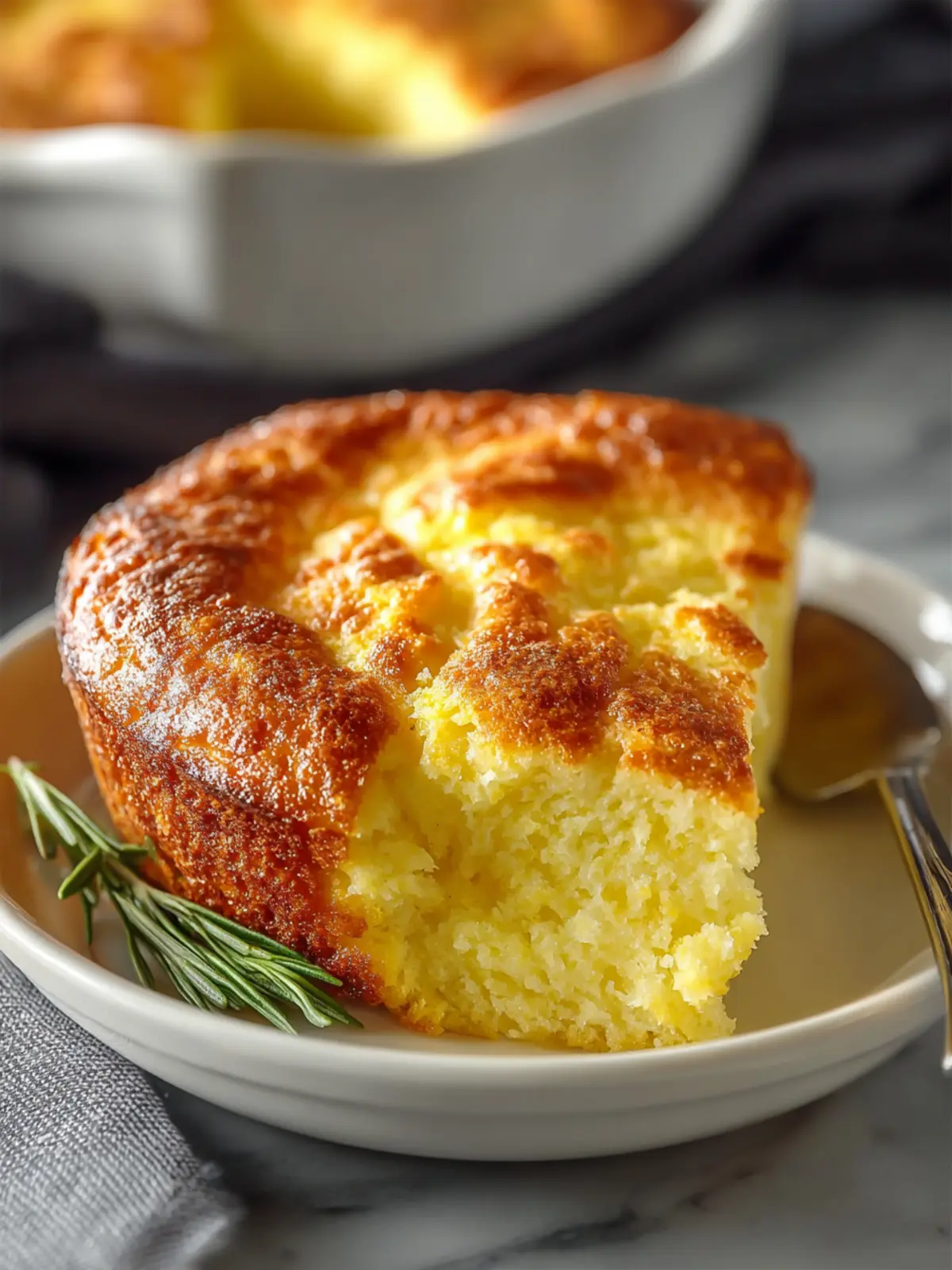
Serving Suggestions for Colonial Spoon Bread
Colonial Spoon Bread offers a delightful glimpse into early American cuisine, and it’s a dish that’s as versatile as it is comforting. Serving this light and fluffy bread can elevate a meal, making it a wonderful accompaniment for various dishes.
Pair with Savory Foods
- Hearty Stews: Spoon bread’s texture complements rich, hearty stews beautifully. Imagine savoring a warm bowl of beef stew, using spoon bread to soak up every delicious drop.
- Roasted Meats: Whether you’re enjoying grilled chicken or roasted pork, this bread serves as a perfect side, adding moisture without overshadowing the main dish.
Embrace the Sweet Side
- Honey or Maple Syrup: Drizzle a touch of honey or maple syrup on your bowl of spoon bread for a delightful twist. The sweetness balances the savory perfectly.
- Fresh Fruits: Serve it with a side of seasonal fruits, like juicy berries or slices of pears, for a colorful, refreshing contrast.
Comforting Breakfast Option
Serve Colonial Spoon Bread as a delightful alternative to pancakes at brunch, topped with cream, a sprinkle of cinnamon, or a dollop of yogurt. This rich and custardy dish turns every meal into a cozy experience.
Transform your dining experience with Colonial Spoon Bread—an easy, adaptable dish that resonates with both history and flavor.
Time Breakdown for Colonial Spoon Bread
Colonial Spoon Bread is a delightful dish that embodies the essence of comfort food, taking us back to simpler times. To perfect this rich and creamy dish, getting the timing just right is essential. Here’s a quick guide to help you plan your cooking experience.
Preparation Time
Preparing Colonial Spoon Bread takes about 15 minutes. This includes gathering your ingredients and mixing them into a smooth, velvety batter, setting the stage for a delicious outcome.
Baking Time
The baking process requires approximately 30-35 minutes. You’ll want to keep an eye on it as it transforms into a golden-brown delight that fills your kitchen with a mouthwatering aroma.
Total Time
In total, you’re looking at around 45-50 minutes from start to finish. This makes Colonial Spoon Bread a manageable addition to your meal, offering both ease and satisfaction without a lengthy time commitment. Happy cooking!
Nutritional Facts for Colonial Spoon Bread
Understanding the nutritional profile of Colonial Spoon Bread can enhance your appreciation for this delightful dish. Not only is it a delicious addition to any meal, but it’s also packed with valuable nutrients.
Calories
A serving of Colonial Spoon Bread generally contains around 150 calories. This makes it a light, enjoyable side dish that won’t weigh you down during your meal.
Protein
In terms of protein content, you can expect about 4 grams per serving. While not a powerhouse of protein, it provides a nice boost that can complement other protein-rich dishes on your table.
Sodium
With roughly 300 milligrams of sodium, Colonial Spoon Bread offers a moderate level of saltiness, perfect for balancing flavors in your meal without overwhelming your palate.
Enjoy this historical dish while being mindful of its nutrients!
FAQ about Colonial Spoon Bread
Colonial Spoon Bread is not just a dish; it’s a delightful trip down culinary memory lane, offering a warm embrace of comfort and nostalgia in every bite. If you’ve recently embraced your adventurous side in the kitchen and whipped up a batch of this delicious dish, you might have a few lingering questions. Here are some common queries and answers to enhance your Spoon Bread experience.
Can I make spoon bread ahead of time?
Absolutely! You can prepare the batter for Colonial Spoon Bread up to a day in advance. Simply cover it and store it in the fridge. When you’re ready, give it a quick stir before baking. However, keep in mind that it’s best enjoyed fresh for that perfect fluffy texture.
How should I store leftover spoon bread?
If you find yourself with leftovers, storing them correctly is key. Allow the Colonial Spoon Bread to cool completely, then transfer it to an airtight container. It can be kept in the refrigerator for about 3-4 days.
Can I freeze Colonial Spoon Bread?
Yes, you can freeze it! Slice the spoon bread into portions, wrap each piece tightly in plastic wrap, and then place them in a freezer bag. They can be frozen for up to 2-3 months. Just remember to label your bag!
What’s the best way to reheat spoon bread?
Reheating Colonial Spoon Bread is quite simple. For individual portions, the microwave is quick and effective—heat for about 20-30 seconds until warm. If you’re reheating the entire dish, cover it with foil and warm it in the oven at 350°F for about 15-20 minutes, or until heated through. Enjoy every bite of this comforting classic!
Conclusion on Colonial Spoon Bread
In the exploration of Colonial Spoon Bread, we uncover a delightful dish that echoes the heartiness of history while fitting seamlessly into modern tables. This recipe is not just a preparation; it’s a journey through time—a reminder of simpler days when such comfort foods were a staple. The gentle blending of ingredients creates a texture that’s soft and creamy, making it the perfect side for any meal. Whether you’re serving it alongside savory meats or enjoying it on its own, Colonial Spoon Bread brings warmth and joy. So gather your loved ones, and let this delicious dish nourish both body and soul!
Print
Cornmeal Bake
- Total Time: 45 minutes
- Yield: 6 servings 1x
- Diet: Vegetarian
Description
A delicious cornmeal bake that is perfect for a warm and comforting dish.
Ingredients
Scale
- 1 cup cornmeal
- 2 cups milk
- 2 tablespoons butter
- 2 large eggs
- 1 teaspoon baking powder
- 0 teaspoon salt
- 1 tablespoon sugar (optional)
- 0 cup shredded cheese (optional)
Instructions
- In a medium saucepan, heat the milk and butter over medium heat until just steaming.
- Gradually whisk in the cornmeal, stirring continuously until thickened, about 2–3 minutes.
- Remove from heat and let the mixture cool slightly.
- Stir in baking powder, salt, and sugar (if using).
- Beat in eggs one at a time until fully incorporated.
- Fold in shredded cheese if desired.
- Pour the batter into a greased 9-inch baking dish or cast iron skillet.
- Bake at 375°F for 30–35 minutes, until puffed and golden brown.
- Serve warm, scooped into bowls or onto plates.
Notes
- This dish can be made ahead and reheated for a quick meal.
- Add your favorite herbs or spices for extra flavor.
- Prep Time: 10 minutes
- Cook Time: 35 minutes
- Category: Main Dish
- Method: Baking
- Cuisine: American
Nutrition
- Serving Size: 1 slice
- Calories: 250
- Sugar: 1g
- Sodium: 50mg
- Fat: 10g
- Saturated Fat: 6g
- Unsaturated Fat: 4g
- Trans Fat: 0g
- Carbohydrates: 35g
- Fiber: 2g
- Protein: 6g
- Cholesterol: 120mg